
Brand Activation Vehicles Built for Urban Attention and Real-World Engagement
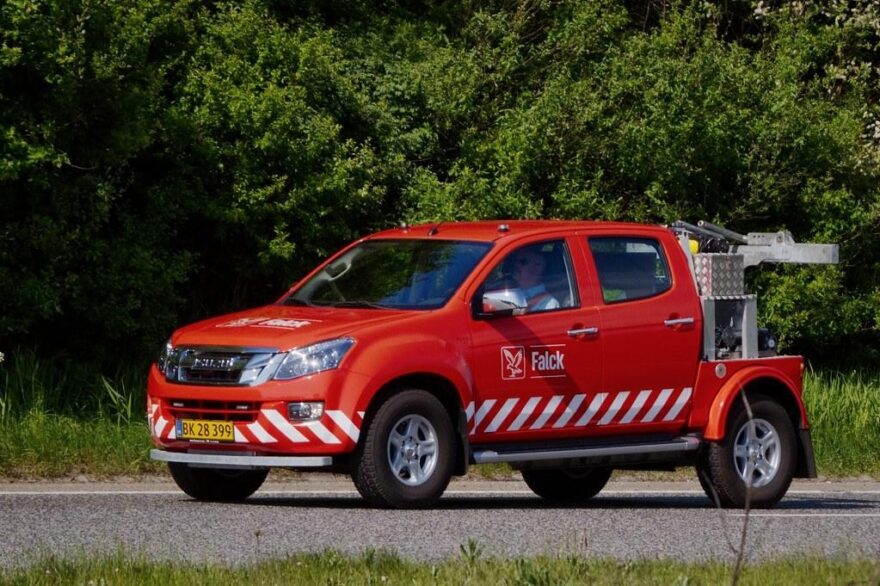
Modern brands are competing for attention in places where people are constantly moving. Streets, shopping districts, festivals, campuses, business centers, sports venues, and public events are full of messages fighting for a few seconds of focus.
In this kind of environment, a campaign needs more than a static ad or a short digital impression. It needs presence. It needs a physical form that can travel, stop people, invite interaction, and turn curiosity into memory.
That is why mobile experiential marketing has become an important part of brand strategy. A vehicle can become a showroom, sampling station, product demo space, content studio, service hub, or immersive brand environment.
When designed with purpose, it gives people a direct way to experience what the brand represents. The vehicle is no longer just transportation. It becomes a stage, a storefront, a media asset, and a customer engagement tool moving through real markets.
Why Mobility Changes Brand Activation
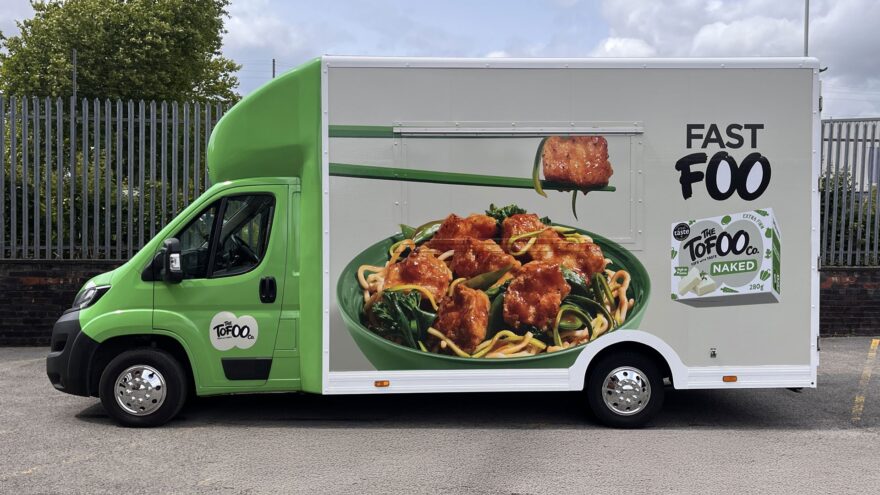
A fixed campaign depends on people coming to one place. A mobile campaign goes where the audience already is. This difference matters because many of the best engagement opportunities happen outside traditional retail or event spaces.
A brand may want to appear near a convention, at a city center, beside a sporting event, outside a university, or in a high-traffic commercial district. A mobile build gives the campaign flexibility to reach those moments without relying on one permanent location.
Mobility also helps campaigns feel more alive. A branded vehicle can adapt to different cities, audiences, and event formats while keeping the core experience consistent.
It can support a launch tour, seasonal campaign, regional promotion, product demonstration, or community outreach program. Instead of producing a one-time setup, a company can create a reusable asset that carries the brand through multiple touchpoints.
A Vehicle Must Be Designed as an Experience
A strong activation vehicle begins with the audience journey. What should people notice first? Where should they enter or gather? How should they interact with the product, service, or story? What should they remember afterward? These questions shape the design far more than decoration alone.
The layout, graphics, lighting, storage, display surfaces, staff movement, entry points, and exterior visibility all affect how the campaign feels.
A vehicle that looks attractive but creates confusion will not perform well. A vehicle that guides people naturally, supports the team, and makes the brand message clear can turn a short encounter into a stronger memory.
Transporting specialized promotional vehicles between multi-city tour stops can be managed seamlessly by scheduling reliable Staten Island car shipping services https://www.shiply.
Urban Visibility and the Power of Place
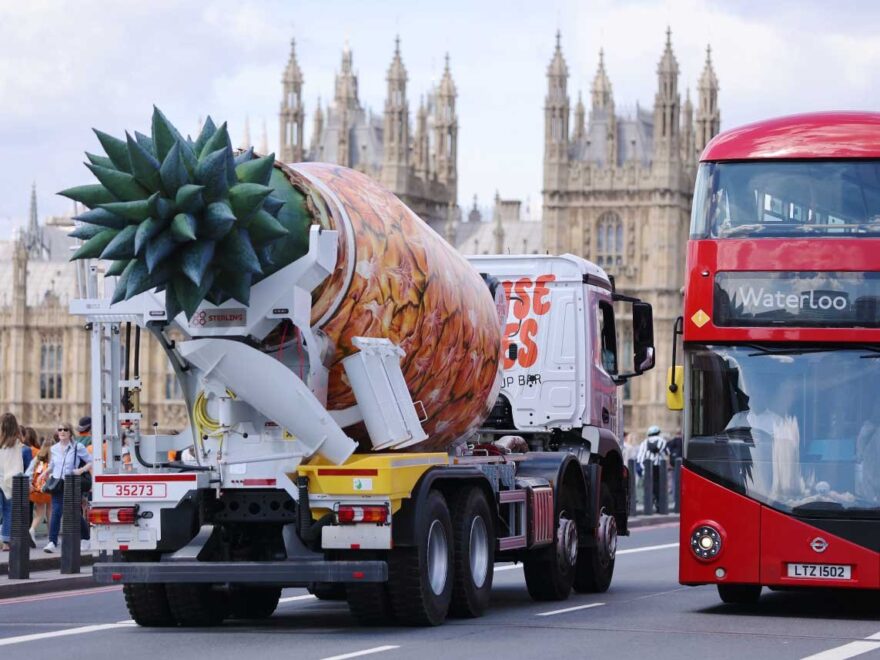
Location can shape the entire meaning of a campaign. A mobile activation placed in a dense urban district may benefit from surrounding foot traffic, architecture, tourism, retail movement, and social sharing.
The campaign becomes part of the city’s rhythm. People see it while walking, commuting, shopping, or gathering with friends. That natural visibility can make the experience feel less like an interruption and more like a discovery.
This is why marketers often study high-visibility destinations and public spaces. A guide to Downtown Dubai and its urban attractions shows how powerful place can be when architecture, movement, signage, tourism, and public attention come together. Brand activations work best when they respect that same relationship between environment and audience behavior.
Designing for Crowds, Movement, and First Impressions
In public spaces, people rarely study a campaign slowly at first. They glance, decide whether it matters, and either move closer or keep walking.
This means the visual design must communicate quickly. The exterior should explain the brand clearly without overloading the viewer. The experience should feel easy to approach, not intimidating or confusing.
Once people move closer, the details begin to matter. Staff need room to work. Products need proper display areas. Sampling or demonstrations need safe flow.
Screens, lighting, counters, windows, or open sides should support the interaction rather than creating clutter. A good activation vehicle manages the first glance and the deeper engagement with equal care.
Turning Campaign Mobility Into Memorable Interaction
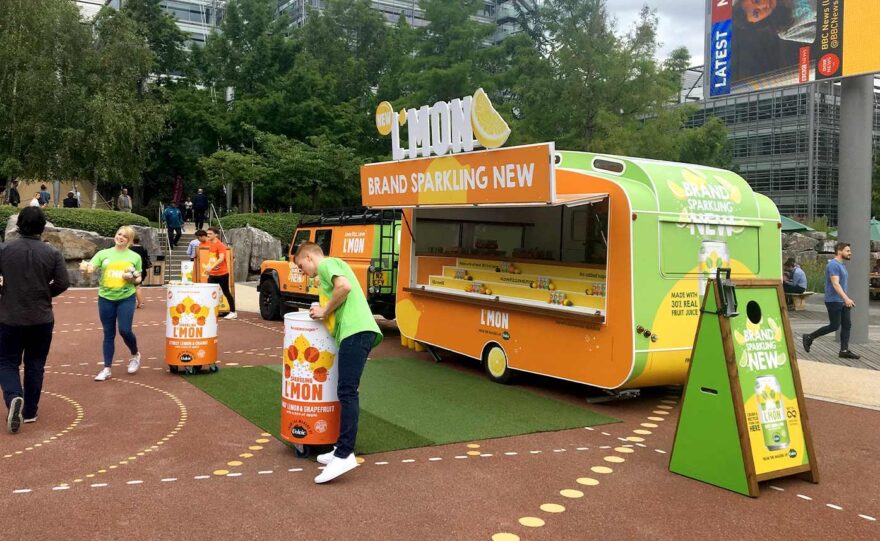
When companies want to bring campaigns directly into cities, events, campuses, retail zones, or public gathering spaces, the physical build must combine mobility, durability, audience flow, branded graphics, storage, and practical setup.
Professionally designed brand activation vehicles help transform marketing ideas into road-ready experiences that can meet people where attention is already happening.
Why Fabrication Planning Protects Campaign Execution
A mobile activation depends on strong planning long before the first event date. The vehicle must be fabricated, fitted, wrapped, wired, finished, tested, transported, and maintained.
If timelines are weak or technical requirements are misunderstood, the campaign can suffer before it reaches the public. In experiential marketing, the build schedule is part of the strategy.
Large industrial projects show how complex fabrication work can be affected by timing, capacity, and execution challenges.
Coverage of delays in major chip fabrication facilities offers a reminder that physical production requires careful coordination, realistic planning, and strong project management.
Brand vehicles are smaller in scale, but they still depend on the same basic truth: a great concept needs disciplined execution to become real.
The Build Must Support Repeated Use
A campaign vehicle may be used across several stops, seasons, or markets. That makes durability essential. Exterior graphics must hold up under weather and road exposure.
Interior finishes must survive repeated visitor traffic. Counters, fixtures, doors, storage, lighting, and display systems must remain reliable after transport and setup.
Repeated use also requires practical maintenance. Teams should be able to clean the space, replace materials, update graphics, and service equipment without major disruption.
A smart build protects the campaign’s long-term value by making the vehicle easier to operate after the launch excitement fades.
Brand Section: Craftsmen Industries
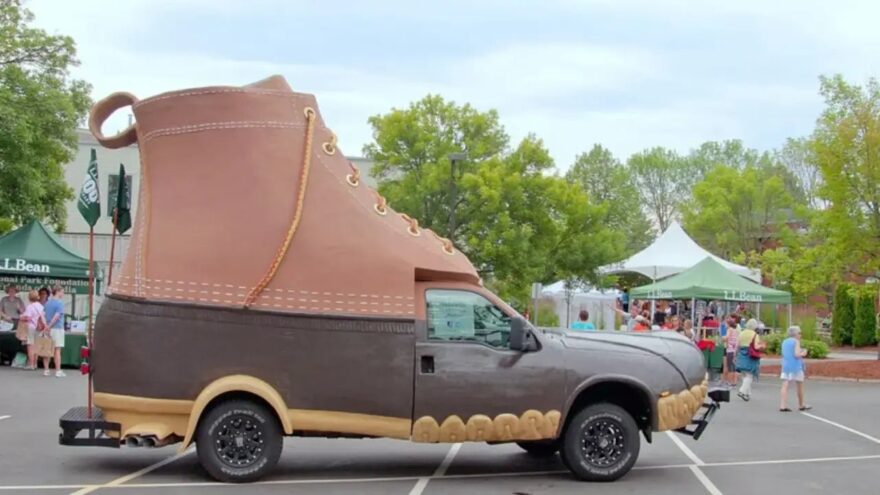
Craftsmen Industries is associated with experiential marketing builds, custom fabrication, branded vehicles, mobile marketing units, large format graphics, fleet wraps, trailers, and specialized road-ready environments.
In the experiential category, the brand’s relevance comes from the need to connect creative campaign thinking with physical production that can perform in real public settings.
An activation vehicle may need to serve as a display space, customer engagement hub, sampling station, mobile showroom, product theater, or branded service point.
It must look memorable while also supporting transport, storage, staff workflow, safety, and repeated setup.
Craftsmen Industries operates in a space where visual impact and fabrication practicality must work together, because the campaign cannot rely on appearance alone.
Building Experiences That Travel Well
A strong mobile experience should feel consistent from one location to the next. People in different markets should recognize the same brand personality, message, and quality of execution.
At the same time, the vehicle should allow enough flexibility for local adjustments, different event footprints, changing weather, and audience differences.
This balance requires thoughtful design. Graphics should be clear from a distance. Interior zones should support different types of engagement.
Storage should make setup efficient. Equipment should be secured during transport. Staff should be able to operate the vehicle without constantly solving small problems.
When those details are handled well, the campaign feels polished wherever it appears.
Memorable Experiences Are Built From Practical Details
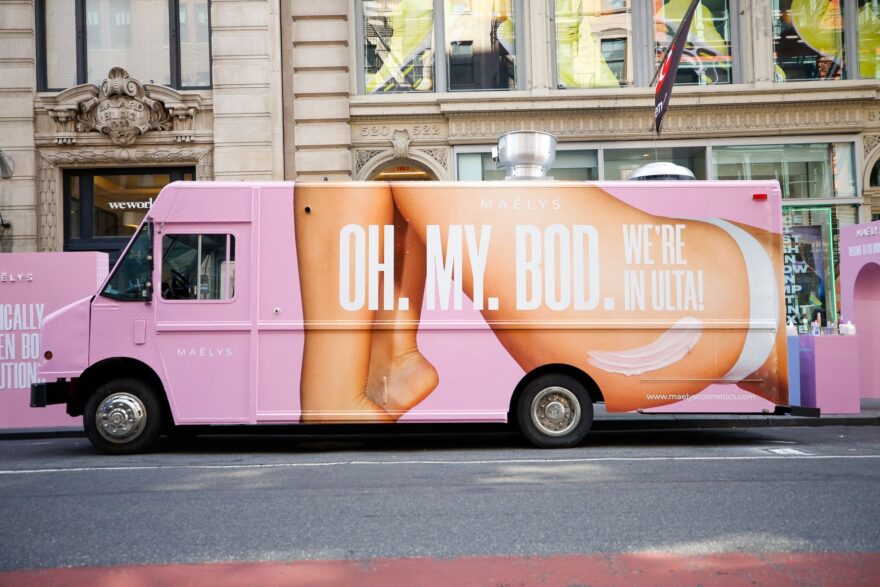
The most memorable brand moments often feel effortless to the visitor, but they are built from practical details. A smooth entry path, clean signage, strong lighting, stable surfaces, clear product placement, and prepared staff all influence how people respond. The audience may not notice every decision individually, but they feel the result.
That is the quiet craft behind successful mobile activations. The vehicle brings the brand into the world, but the design determines whether people stop, engage, and remember.
When mobility, fabrication, graphics, and audience flow work together, the campaign becomes more than a vehicle on the street. It becomes a moving brand experience with purpose.
Conclusion
Brand activation vehicles give companies a powerful way to turn marketing strategy into real-world interaction. They bring campaigns into high-traffic places, support direct engagement, and create memorable moments that digital impressions alone often cannot deliver. Their strength comes from mobility, but their success depends on thoughtful design and dependable execution.
When built with clear audience flow, durable fabrication, strong graphics, practical storage, and long-term campaign use in mind, an activation vehicle becomes a serious brand asset.
It moves through markets with intention, creates presence where people already gather, and helps brands turn attention into meaningful engagement.