
When Is the Best Time to Visit Germany?
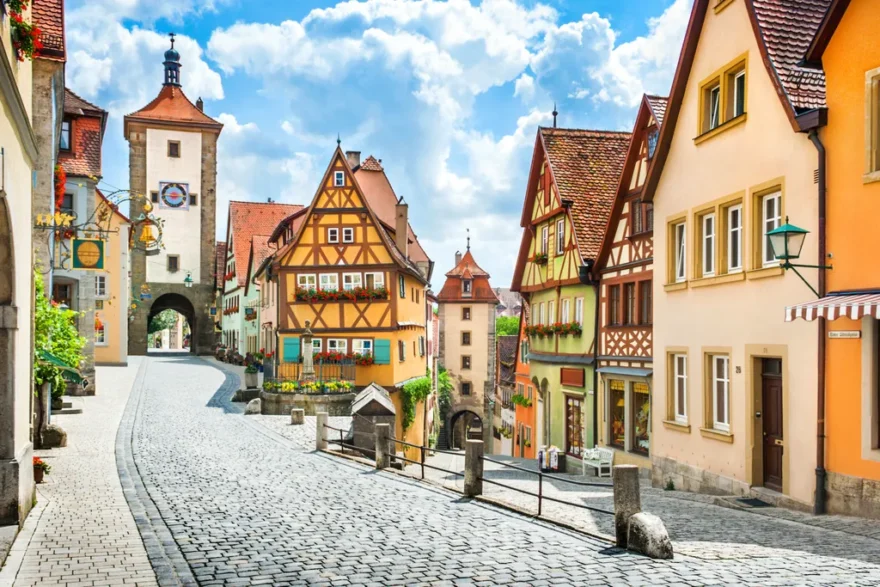
If you ask five people this question, you’ll probably get five different answers. And honestly, that makes sense. Germany changes a lot depending on the season, and what feels “perfect” really depends on what you want from the trip.
Are you picturing long sunny days, or quiet streets with fewer tourists? Do you care more about festivals or lower prices? Once you answer that, everything becomes clearer. I’ve been in different seasons, and each one surprised me in its own way, sometimes in a good way, sometimes not so much.
Understanding what “best time” actually means
Before picking a month, it helps to rethink what “best” means for you. Most travel guides point to late spring or early autumn because they balance weather and crowds. That’s true, but it’s not the whole story.
In fact, the most comfortable periods are often April to June and September to October, with mild temperatures and fewer tourists compared to peak summer .
And a small personal note here. I once spent an evening in Berlin chatting with someone I met through Louisa, and we ended up talking about travel timing. Her point stuck with me. She said locals often avoid July and August unless they have to be in the city. That alone tells you something.
So instead of asking “What is the best time to visit Germany?”, maybe ask, “What kind of experience do I want?”
Spring and early summer feel like the safe choice
If you want a reliable answer without overthinking it too much, late spring is hard to argue against. May and June are often recommended for a reason.
The weather is warm but not too hot. Days are long enough for sightseeing, and outdoor cafés start to feel lively again. Many sources point to this period as one of the best overall times to visit.
What I personally like about this time is the balance. You can walk all day without feeling exhausted from the heat, and you don’t need to plan every attraction weeks in advance.
Here’s what usually works in your favor during this period:
- Comfortable daytime temperatures
- Fewer crowds than peak summer
- Early festivals and events starting
The only thing to keep in mind is unpredictable rain. A light jacket is not optional.
Summer is great, but it comes with trade offs
Now, summer sounds ideal at first. Warm weather, long days, outdoor festivals. And yes, all of that is true. June through August is peak travel season for a reason.
But let me ask you something. How do you feel about crowds?
Because July and August can get busy. Prices go up, popular attractions have long lines, and booking last-minute is not a great idea.
At the same time, summer gives you things other seasons cannot:
- Daylight that stretches late into the evening
- A full calendar of festivals and outdoor events
- Easy access to lakes, parks, and open spaces
I enjoyed summer in Germany, but I also remember waiting longer than I expected for simple things like museum entry. So it really depends on your tolerance.
Autumn might be the most underrated option
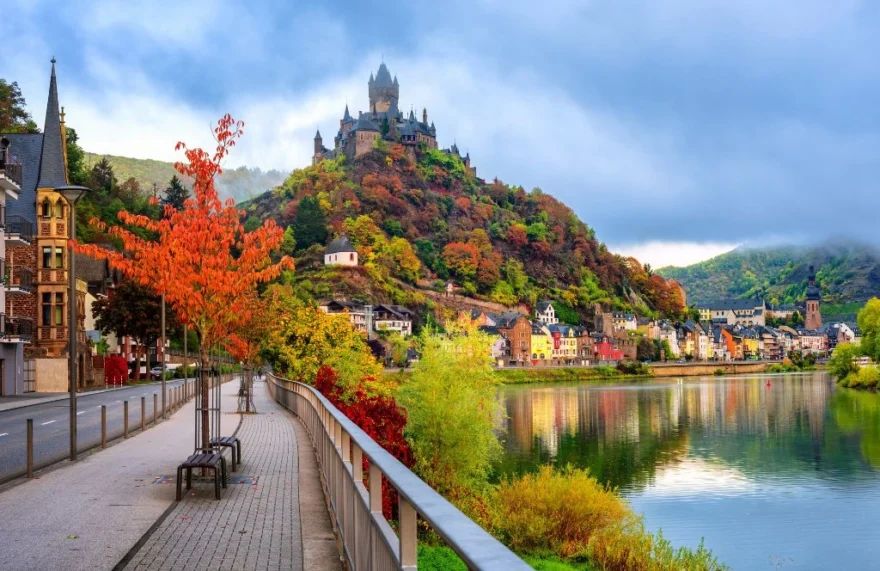
If you asked me to quietly pick a favorite, I’d probably say early autumn. September and early October feel like a sweet spot.
The weather is still pleasant, but the biggest summer crowds start to fade. It’s also a time full of local events and traditions.
But here’s something important.
Oktoberfest happens in late September, and it attracts huge crowds, especially in Munich.
If that’s your goal, great. Plan early. If not, maybe avoid Bavaria during that period.
Outside of festival zones, autumn gives you:
- Easier sightseeing conditions
- Comfortable temperatures for walking
- A more relaxed pace overall
It feels less rushed, which I personally appreciate.
Winter works if you know what you’re getting
Winter is very different. Short days, cold weather, and fewer outdoor activities. That might sound like a downside, but it depends on your expectations.
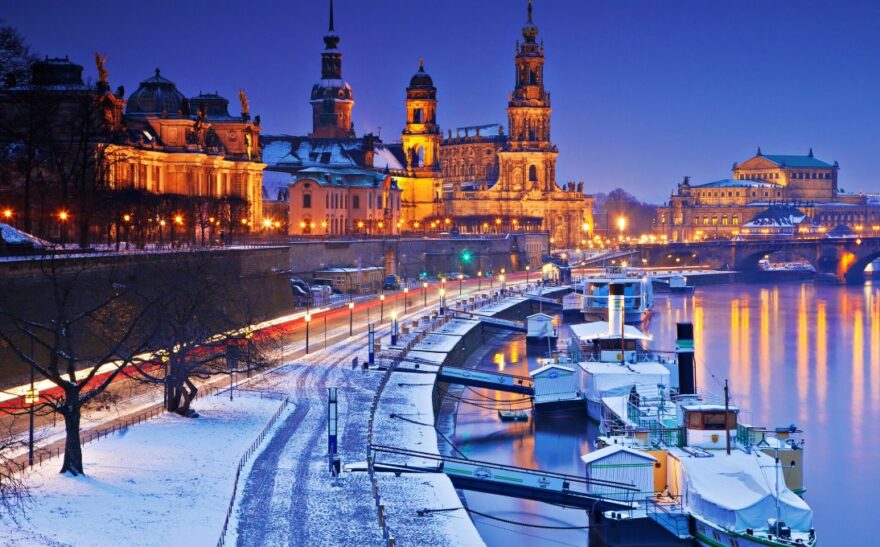
December is actually one of the most special times because of Christmas markets. Cities light up, and even smaller towns feel festive.
After the holidays, things quiet down a lot. January through March is cheaper, but also colder and darker.
So the question becomes simple. Are you okay with limited daylight?
If yes, winter can be surprisingly peaceful and budget friendly.
So, when should you go?
If you want a smooth, well balanced trip, late spring or early autumn are the safest choices. They offer good weather without the intensity of peak summer.
But honestly, the best time to visit Germany depends on what you value most. Some people enjoy the energy of summer, even with the crowds. Others prefer quieter months where they can move more freely and take things slower.
If I had to answer you directly, I’d say pick a season that matches your pace. Not the one that looks best on paper, but the one that fits how you actually like to travel.