
Why Northern Europeans Keep Choosing Cyprus for a Year-Round Base

Cyprus is no longer being treated only as a place for two sunny weeks in August.
Retirees, remote professionals, second-home buyers, and people planning a slower semi-permanent move are increasingly looking at the island as somewhere that can function in January just as well as it does in July.
International property demand gives that shift a measurable scale.
Overseas buyers accounted for about 47% of property sales in the Republic of Cyprus during the first eight months of 2026. Buyers are not simply chasing beach access.
For someone used to dark afternoons, wet winters, and months of indoor living in Northern Europe, one question matters more than any glossy summer brochure can answer: what does an ordinary Tuesday in Cyprus look like in February?
Attractive Property and Living Costs
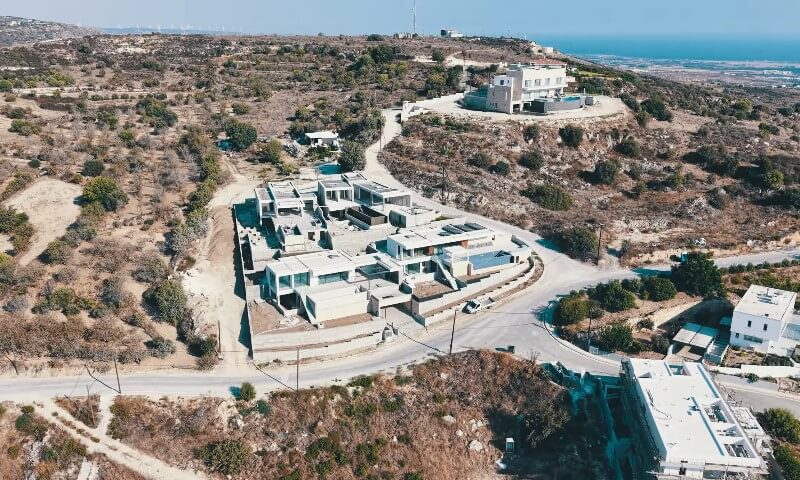
Property demand in Cyprus is not hypothetical. Sales activity during 2026 shows continued interest in several parts of the Republic.
Two districts posted notable gains during the first seven months of 2026:
- Larnaca recorded 2,599 contracts of sale, an increase of 10.9% compared with the same period a year earlier
- Famagusta recorded 538 contracts, up 10.5% year over year
Pricing can differ sharply across the island, especially once sea views, new construction, resort facilities, and walkability enter the equation.
Buyers considering newly built houses can also compare modern Cyprus homes by Elythera Homes, with steel-frame designs available across several floor plans and property sizes.
Active-market estimates in North Cyprus place many properties at around £1,500 to £3,500 per square meter.
Comparable estimates in the Republic often sit around £2,600 to £4,500 or more per square meter, though exact pricing depends heavily on area, age, finish, title status, and development type.
Entry-level one- or two-bedroom homes in good North Cyprus developments may begin around £90,000 to £120,000.
Sea-view apartments, newer resort units, and homes with more amenities commonly sit around £150,000 to £350,000.
Living costs can also be lower in North Cyprus. Indicative 2025 to 2026 estimates put monthly spending for one person at roughly:
- £900 to £1,300 in North Cyprus
- £1,600 to £2,200 in the Republic of Cyprus
Higher transaction volumes have also been accompanied by rising valuations. Cyprus residential prices were 7.1% higher year over year in the final quarter of 2025, with apartment prices climbing 9.6% compared with 3.4% for houses.
Mild Weather and Outdoor Living
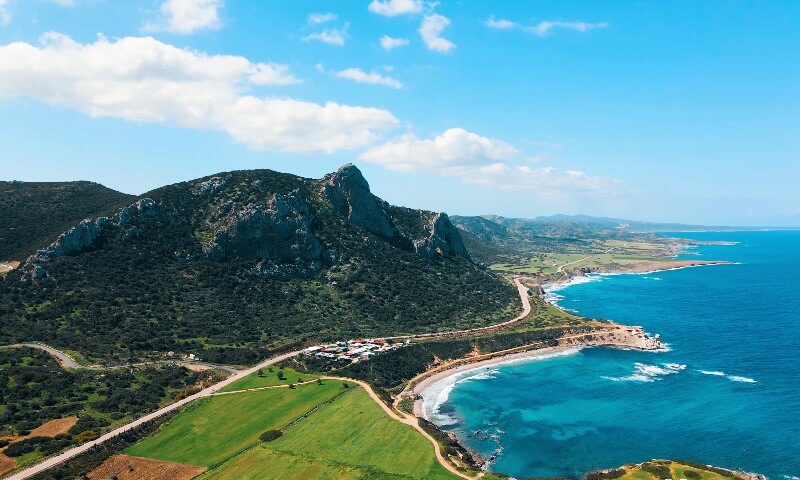
Winter changes daily life less dramatically in Cyprus than it does across much of Northern Europe.
Along the coast, average temperatures during December, January, and February sit at roughly 16 to 18°C, which keeps walking, cycling, hiking, café terraces, and other outdoor habits practical through much of the season.
Sunshine matters just as much as temperature for people escaping a Northern European winter. Limassol averages about 5.7 hours of sunshine per day in December, rising to 6.0 hours in January and 6.8 hours in February.
That gives residents considerably more usable daylight for outdoor routines even during the coolest part of the year.
Climate differences become even more noticeable for people comparing Cyprus with countries where winter daylight is short and outdoor plans often depend on rain, snow, or freezing temperatures.
North Cyprus offers similarly strong year-round weather conditions. Reported climate figures include:
- More than 300 sunny days in a typical year
- Roughly 3,000 hours of sunshine annually
- Summer coastal temperatures of about 32 to 36°C
- Winter temperatures that rarely fall below roughly 8 to 10°C
- Sea conditions suitable for swimming during much of the period between May and November
Warm weather does not mean every winter day feels like summer.
Rainier periods still arrive, nights can be cool, and homes without effective heating can feel colder indoors than newcomers expect.
A Better Quality of Everyday Life
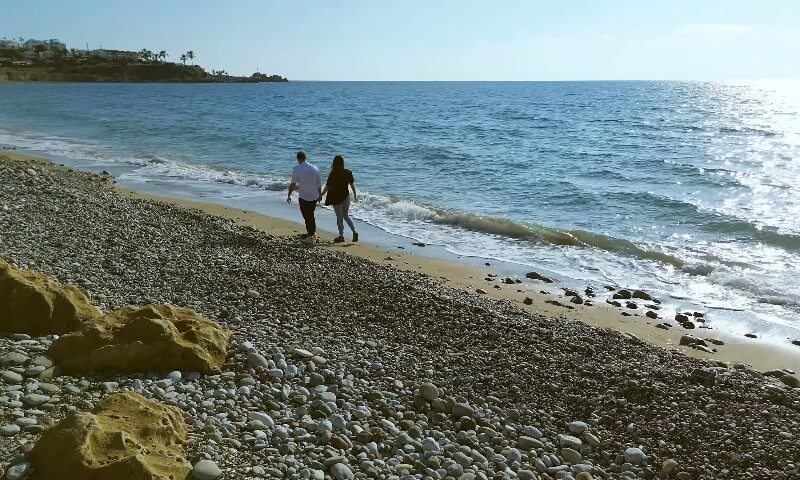
Life outside peak season has a different rhythm. July and August bring crowded beaches, holiday traffic, and heavier tourist activity.
Autumn, winter, and spring create a calmer routine, especially in towns with permanent local populations.
Countryside areas turn greener during winter, and cooler temperatures make longer hikes or bike rides more comfortable.
Troodos routes that can feel demanding in midsummer become far easier to enjoy once daytime heat drops.
Established residential areas such as Larnaca, Paralimni, and Deryneia continue to function after summer visitors leave. Cafés open, children go to school, local shops trade, and residents keep ordinary weekly routines.
Winter is quieter, but quiet does not mean inactive. Cyprus welcomed 121,625 tourists in January 2026 alone, 8.5% more than a year earlier.
Continued winter visitor traffic gives restaurants, cafés, rental businesses, and other local services another reason to operate outside the traditional summer rush.
Good Connectivity to the Rest of Europe
Larnaca and Paphos airports operate throughout the year, giving residents access to European cities for family visits, work trips, short breaks, and business travel.
Passenger volumes show that year-round operation is substantial rather than nominal. Larnaca and Paphos airports handled more than 1.24 million passengers during January and February 2026 alone, after processing 13.75 million during 2025.
For residents who travel regularly, Cyprus therefore has an aviation network that stays busy well outside the summer peak.
Limassol sits about 45 minutes by road from either Larnaca or Paphos airport via the main highway, making both airports realistic options for many residents in and around the city.
For Northern Europeans, that connectivity can change the psychology of relocation.
Living on an island feels less isolating when a flight home can fit into a long weekend and major airports stay active outside summer.
Frequent travelers should still check route seasonality before buying or renting.
Some direct flights operate more often during summer, so a route that looks excellent in August may involve a connection in February.
Remote Work and Flexible Living
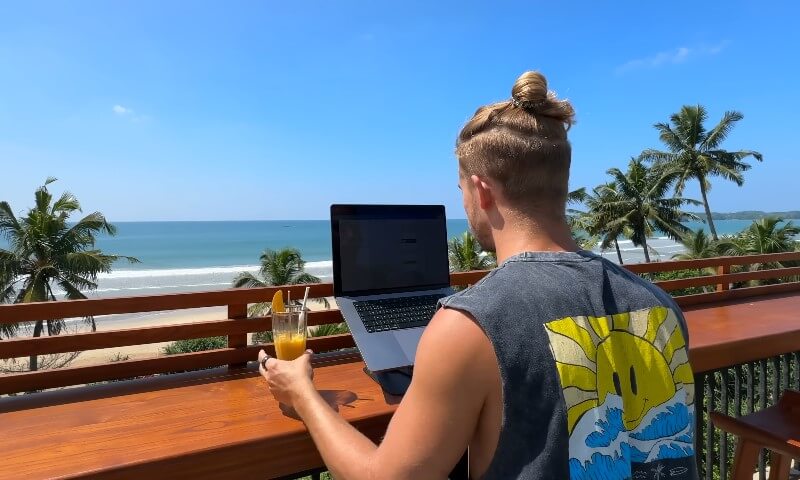
Remote work has widened the pool of people who can consider Cyprus without waiting for retirement.
Software professionals, consultants, designers, marketers, founders, and other location-flexible workers can now treat climate as part of a lifestyle decision instead of something fixed by office location.
Digital nomads and remote professionals aged roughly 28 to 45 have become an increasingly important buyer group in North Cyprus.
Developed coastal areas also offer fiber internet plus broad 4G and 5G coverage, which supports video meetings, cloud platforms, large file transfers, and other normal work requirements.
Budget expectations can vary widely, but a single professional living comfortably in Kyrenia may spend about £1,200 to £1,800 per month depending on housing, dining, transport, and leisure choices.
Flexible residency patterns add another option. Some people do not move full-time at all.
A retired couple might spend November through March in Cyprus, while a remote worker may base there during the colder half of the year and spend summer elsewhere.
That model can suit people who want a warmer winter without cutting practical ties to their home country.
Established International Communities
A year-round move becomes easier when social life does not disappear after tourist season.
Cyprus already has established international communities in several towns and coastal areas, which can reduce the sense of starting completely alone.
Paphos has a large international population in the Republic, while Kyrenia, Alsancak, and Lapta are well-known expatriate centers in North Cyprus.
English is widely used in many day-to-day situations, especially in areas with long histories of foreign residency.
Winter also creates more room for local participation. Christmas, New Year, and Epiphany bring public events and community gatherings, while cafés, tavernas, walking groups, sports clubs, and informal expat networks continue operating throughout the cooler months.
Social infrastructure can matter as much as physical infrastructure.
What Buyers Should Consider?
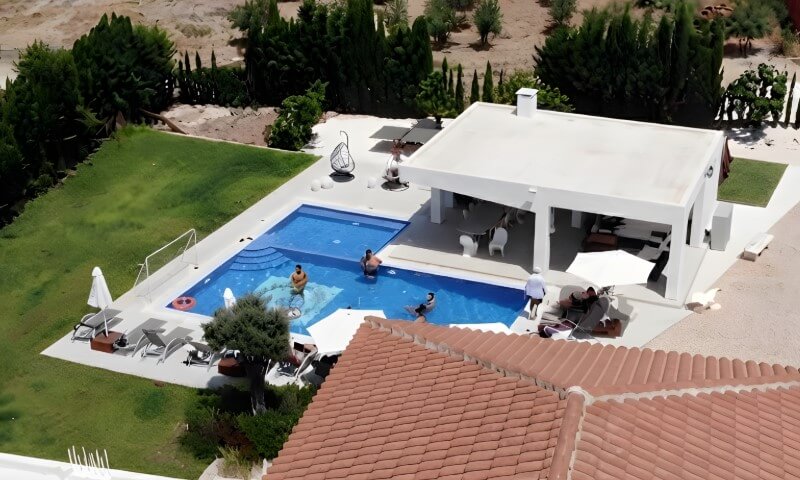
A resort may look busy in August yet feel almost empty in January, while a less glamorous residential town may prove far more practical for full-time living.
Anyone considering a purchase should visit outside peak season, ideally during November, January, or March.
A winter visit makes it easier to test the parts of daily life that matter after the novelty wears off.
Important checks include:
- Internet speed and mobile coverage at the exact property
- Access to hospitals, clinics, pharmacies, and emergency care
- Travel time to an airport used throughout the year
- Public transport or realistic need for a car
- Winter opening hours for supermarkets, restaurants, gyms, and other services
- Heating, insulation, damp, drainage, and general cold-weather comfort
Legal due diligence is especially important because buying in the Republic of Cyprus and buying in North Cyprus involve different legal and property systems.
For a North Cyprus purchase, buyers should use an independent solicitor registered in the TRNC, verify the type and status of the title deed, and investigate any planning, ownership, or historical claims attached to the property.
TRNC’s internationally unrecognized status adds another layer of legal and political complexity that should be examined before money changes hands.
FAQs
[su_accordion]
[su_spoiler title=”Can foreigners rent in Cyprus before deciding to buy?” style=”fancy”] Yes. Renting first can be a practical way to test a location across different seasons before committing to a property purchase. [/su_spoiler]
[su_spoiler title=”Is English widely spoken in Cyprus?” style=”fancy”] English is commonly used in tourism, property, banking, hospitality, and many professional settings. Greek is the main language in the Republic of Cyprus, while Turkish is primarily used in North Cyprus, so learning some local phrases can still make everyday interactions easier. [/su_spoiler]
[su_spoiler title=”Can foreigners open a bank account in Cyprus?” style=”fancy”] Foreign residents can generally apply for local banking services, although requirements vary between banks. Applicants may need identification, proof of address, tax information, and documents showing the source of their funds. [/su_spoiler]
[su_spoiler title=”Is private healthcare insurance common among foreign residents?” style=”fancy”] Many international residents choose private medical insurance to gain faster access to private clinics and specialists. [/su_spoiler]
[/su_accordion]
Summary
Cyprus offers something many Northern Europeans actively seek once winter begins: more daylight, milder temperatures, easier access to outdoor life, and a daily routine shaped less by cold weather.
Strong international property demand adds weight to the idea that Cyprus is being considered for longer stays, semi-permanent residence, remote work, and retirement rather than short holidays alone.
Cyprus works as a year-round base when ordinary life works well there, not just vacation life.