
Get to Know the Safest Spot for Car Seat ─ Expert Tips to Protect Your Little One
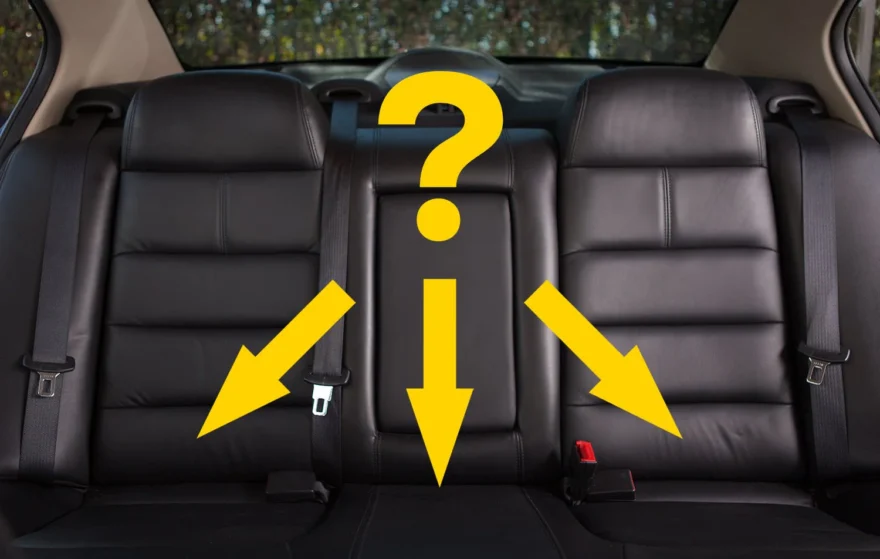
As a new parent, buckling your baby into the car for the first time, you feel that mix of joy and nerves. Every drive becomes a mission to keep them safe, and it all hinges on one big question: What is the safest spot for car seat placement? Safety experts have crunched the numbers from thousands of real-world crashes. Their answer? The rear middle seat often comes out on top, slashing injury risks by nearly half compared to side positions.
In this guide, we’ll unpack the stats, bust common myths, and share parent-tested tips that include using safety devices such as a baby stroller so you can confidently choose the safest spot for car seat in your own vehicle.
Whether you’re juggling siblings or dealing with a tricky sedan, these insights will empower you to drive with total peace of mind. Let’s dive in and make every trip a safe one for your little ones.
The Middle Seat Advantage ─ Statistical Evidence for the Center
Imagine weaving through traffic, and suddenly a side impact jars the car. Kids on the edges get slammed into doors or flung outward, but those in the center ride the forces more evenly. That’s the magic of the rear middle seat as the safest spot for car seat installation.
The Insurance Institute for Highway Safety analyzed over 5,000 crashes and found children in center positions faced 50 percent less risk of serious injury or death than those on outboard seats. This holds across sedans, SUVs, and minivans, especially in offset frontal crashes where side seats take the brunt.
Here are key statistics that seal the deal for making the center your go-to safest spot for car seat:
- 50 percent reduced injury risk in side impacts
- 43 percent lower ejection risk in rollovers
- 25 percent fewer head injuries overall, even in multi-vehicle pileups.
- Ideal for siblings, as it balances crash energy across the row.
Why the Back Seat is Non-Negotiable ─ The Airbag Danger
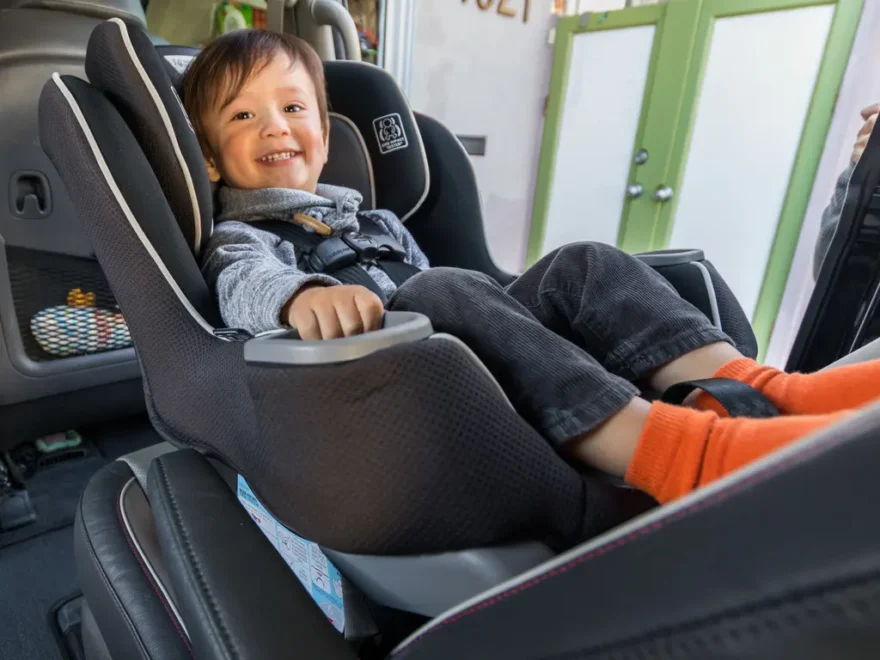
Front seats look convenient, but they spell disaster for young passengers. The back seat stands alone as the undisputed safest spot for a car seat due to the lethal threat of airbags. These lifesavers for adults deploy with explosive force, up to 200 miles per hour in milliseconds, designed to cushion grown bodies, not fragile infants. A rear-facing seat in front turns into a projectile trap, with the airbag slamming directly into the baby’s head and neck.
Chilling NHTSA figures confirm it: children under one year old in front passenger seats face 13 times higher fatality rates than those in the back. Even passenger-side bags, meant to be gentler, have caused broken necks and skull fractures in toddlers. The American Academy of Pediatrics issues a clear mandate: keep kids in the back until at least age 13, when seat belts finally fit their growing frames properly without riding up on the stomach or neck.
Ditch the myths too; no, “advanced” airbags don’t make fronts safe for babies, and side-curtain protections fall short against direct blasts. Test it yourself: position a spare seat upfront and simulate a jolt. The vulnerability hits home. Claim the back as your safest spot for car seat sanctuary, and transform routine drives into reliable shields.
Installation Over Location ─ The Priority of a Tight and Secure Fit
You could nail the perfect, safest spot for car seat, but a wobbly install undoes it all. Experts stress that a secure fit trumps spot every time, aim for less than one inch of movement at the belt path when you grab and shake vigorously. A loose seat careens in crashes, multiplying forces on your child by three or more.
Start with the five-point harness: tighten until you can’t pinch slack in the straps over the chest and thighs. Level the seat using built-in indicators or foam shims under the base, which tilts over 30 degrees, reducing spike injury odds. Common pitfalls abound: forgetting the top tether reduces stability by 40 percent, while skipping locking clips on seat belts lets them spool out.
Essential steps for a bulletproof setup in any safest spot for car seat:
- Apply body weight to compress while tightening anchors.
- Verify recline angles match your child’s age (45 degrees for newborns).
- Use locking clips on flexible belts and always clip the top tether.
- Shake test rigorously: no more than 1 inch side-to-side or front-back play.
Fire stations often offer free checks; take advantage. This ritual turns even imperfect spots into powerhouse protections, giving parents like you unshakeable confidence.
Assessing Vehicle Compatibility ─ When the Center Seat Isn’t an Option
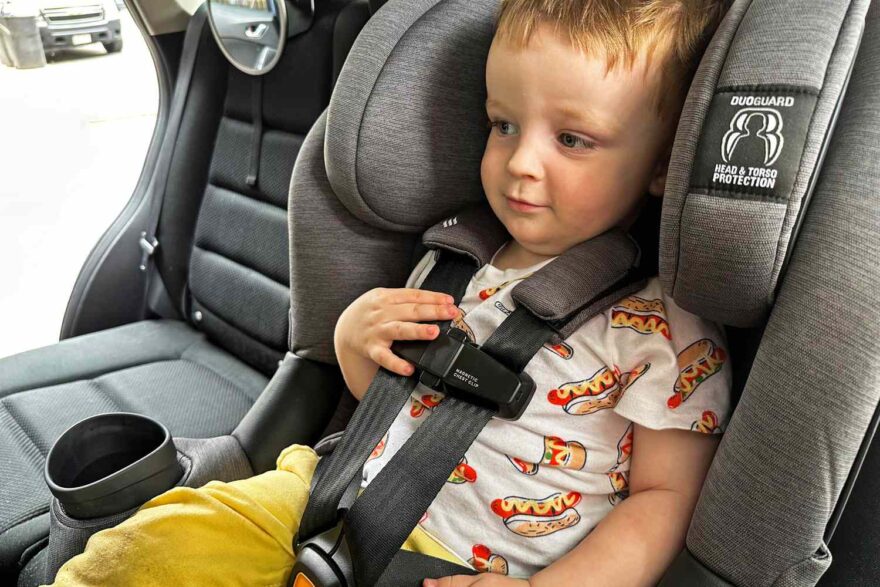
Dream spots falter in real cars. If your bench curves sharply or lacks middle LATCH anchors, pivot smartly to the next-best, safest spot for the car seat. Start by consulting your owner’s manual for approved positions; many sedans flag center as viable only with seat belts, not LATCH.
Minivans and SUVs typically excel with wide, flat rears supporting three-across setups. Coupes and small hatchbacks? They demand out-of-the-box compromises. Measure seat width against your model’s specs; brands like Honda and Toyota provide online fit guides.
Practical checklist for your vehicle:
- Hunt LATCH lower anchors or rigid bars under upholstery.
- Dry-fit the seat empty, noting belt paths and recline clearance.
- Test top-tether routing to sturdy points, avoiding twists.
- Simulate full loads with pillows for sibling spacing.
Driver vs. Passenger Side ─ Practical Considerations for Outboard Seats
Forced outboard? The driver’s side often wins for everyday flow in left-hand-drive countries. It hugs the curb for swift loading, no dodging traffic, and lets you buckle from the driver’s seat with a quick glance. Passenger side suits bulky gear or right-side access, but risks door dings on busy streets.
IIHS (Insurance Institute for Highway Safety) crash data shows negligible survival differences between sides when installs lock tight, yet driver-side ease boosts compliance. Tall parents favor passenger for headroom, while fidgety toddlers thrive curbside under watchful eyes.
Smart choices for outboards:
- Driver side for quick-access families.
- Passenger for quieter naps away from engine hum.
- Mark seats with labels for habit-building.
- Prioritize tether access over minor conveniences.
Understanding LATCH vs. Seat Belt ─ Choosing the Best Install Method
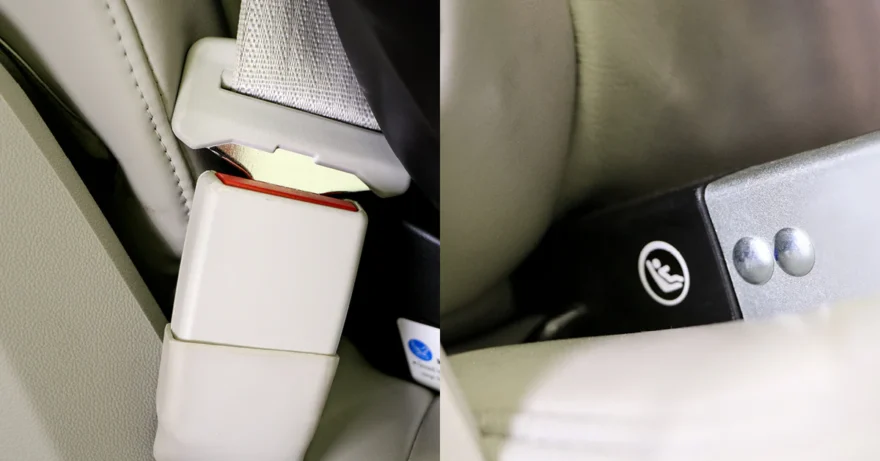
LATCH (Lower Anchors and Tethers for Children) systems shine for simplicity, with lower anchors and top tethers clicking into place without belt wrestling, perfect up to 65 pounds combined weight. Seat belts offer universality, especially in LATCH-free centers, but demand the “lock-off” feature or clips to prevent slippage.
Hybrids rule tricky spots: LATCH lowers with belt upper for hybrid strength. Always pass the one-inch shake test regardless.
Quick method breakdown:
- LATCH excels in speed and rigidity for lighter setups.
- Belts dominate for heavier kids or non-LATCH zones.
- Both demand no-play verification.
- Practice swaps yearly for mastery.
The Safest Orientation ─ Why Rear-Facing is the First and Longest Phase
Rear-facing cradles your child’s head and spine against frontal crashes, the most common type, distributing forces to the seatback instead of the neck. The AAP urges maximum height or weight limits, often 30-50 pounds and age two-plus, slashing fatality risk by 500 percent for infants.
Legs bent upward pose zero harm; spines stay supported. Forward-facing too early triples head excursion in tests. Extended-use seats let families rear-face for three or four years comfortably. Parent Jenna did just that; her preschooler gazed out back windows happily through a minor shunt.
Rear-facing markers:
- Top of head at or below shell edge.
- Knees naturally below the seat lip.
- Harness slots at or below the shoulders.
Beyond the Seat: Keeping Children in the Back Until Age 13
Progress through stages, rear-facing, forward-facing harness, high-back boosters, all in back seats until 13 for optimal belt geometry. Boosters position lap belts low across the hips and shoulders straight, preventing submarine dives under the belts.
Age-based roadmap:
- Birth-2 years: Rear-facing maximum.
- 2-5 years: Forward-facing with harness.
- 5-12 years: Belt-positioning boosters.
- 13+: Standard belts, still prefer back.
Conclusion
Protecting your child starts with claiming the safest spot for car seat, that rear middle has been backed by ironclad stats, and layering on impeccable installs, rear-facing longevity, and back-seat loyalty through the teen years.
You’ve got the roadmap: prioritize center when possible, lock everything tight, and adapt to your ride without compromise. Parents who live these principles share stories of dodged disasters and worry-free adventures, turning cars into true safe havens. Revisit your setup today, practice those checks, and drive forward with fierce confidence.
Your little ones deserve nothing less. Here’s to countless secure miles ahead.