
What Makes a Backyard Feel Like a Private Retreat?
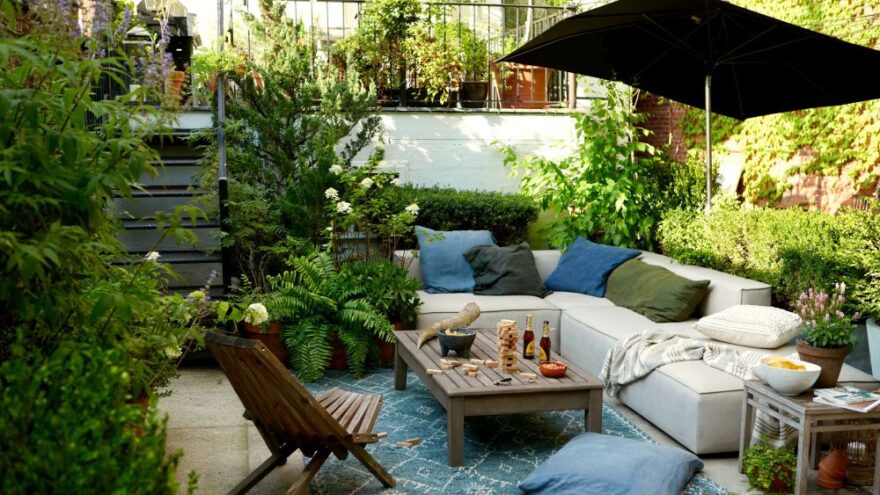
We all have that version of a backyard in mind. A place where you step outside, sit down for a minute, and somehow stay there way longer than planned. No rush, no noise pulling attention away, just a space that feels like it belongs to you.
Most yards do not start like that. They feel open, unfinished, or just there. A bit of grass, maybe a table, nothing that really pulls you in. With a few smart changes, the whole vibe can shift. Add some water, create a bit of shade, carve out a corner that feels slightly hidden, and suddenly the space starts to feel different.
A private retreat is not about doing everything at once or spending a lot. It comes from layering a few elements that make us want to slow down and stay outside a little longer. In the sections below, we will go through ideas that can help turn any backyard into a place that feels more personal, more comfortable, and easier to enjoy every day.
Start With A Fountain As The Centerpiece
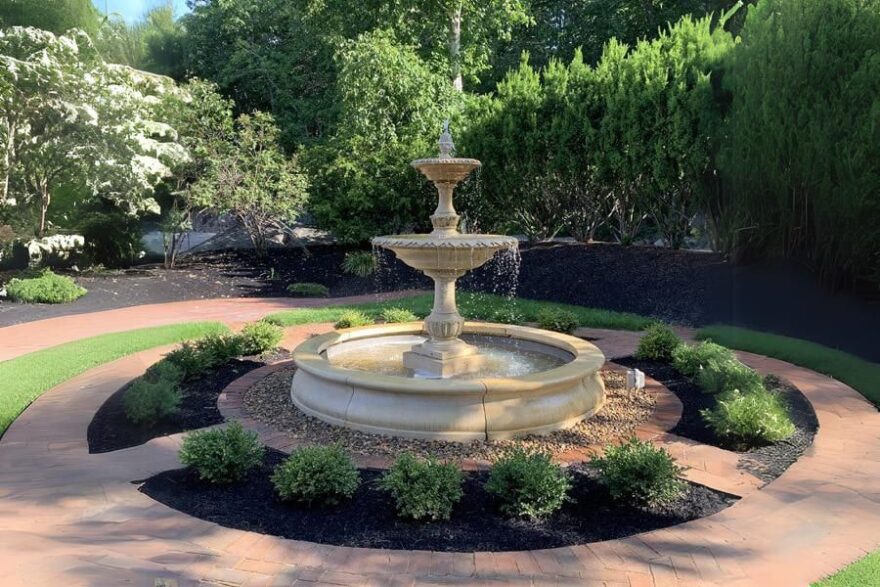
A backyard starts to change the moment water becomes part of it. Empty space turns into something you notice. Sound shifts, the atmosphere slows down, and the whole area feels more contained instead of exposed.
Water Sets The Tone
Nothing else creates that effect so quickly. A fountain brings movement and a steady sound that softens everything around us. The space feels calmer without adding anything heavy or closed off.
One Strong Feature Does The Work
You do not need to fill the yard with different elements. One well-placed fountain can carry the entire look. A model like an Admiral pond fountain works here because it adds both presence and function without making the space feel crowded.
Placement Matters More Than Size
Where it sits decides how everything else comes together.
- Keep it visible from where you sit
- Avoid pushing it to the edge
- Let plants frame it instead of hiding it
- Leave enough space around it so it stands out
Build Everything Around It
Once the fountain is in place, the rest of the yard starts to fall into place naturally. Seating turns toward it, lighting highlights it in the evening, and the whole layout begins to feel more intentional. The space stops feeling random and starts feeling like somewhere you actually want to stay.
Use Plants To Build Privacy Without Closing The Space
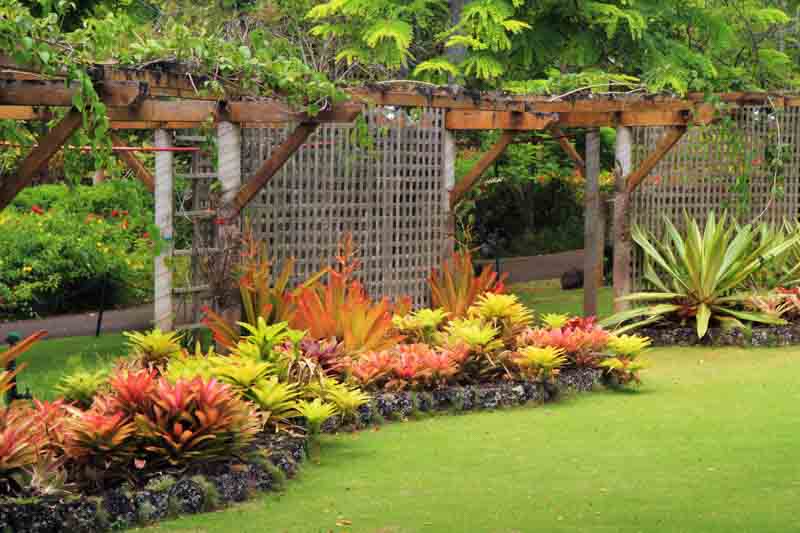
A backyard starts to feel private when sightlines break naturally. Plants do that in a way that feels soft and intentional, without turning the space into a closed box.
Build Layers Instead Of One Flat Line
Depth is what creates separation. A single row of plants leaves gaps and keeps the yard exposed.
Use Taller Plants To Set The Boundary
Trees, tall grasses, or dense hedges form the outer edge. They block direct views and give the space a defined frame.
Fill The Middle To Remove Gaps
Shrubs and medium-height plants sit in front of that layer and close off partial views. Without this step, the yard still feels open from certain angles.
Add Lower Plants To Soften The Base
Ground-level plants make transitions smoother and prevent the space from looking staged or artificial.
Place Plants Where They Change The Experience
Position matters more than quantity. Focus on areas behind seating, along property lines, and near entry points. When plants shape movement and visibility, the space feels more controlled and more private.
Add Lighting That Changes The Mood At Night
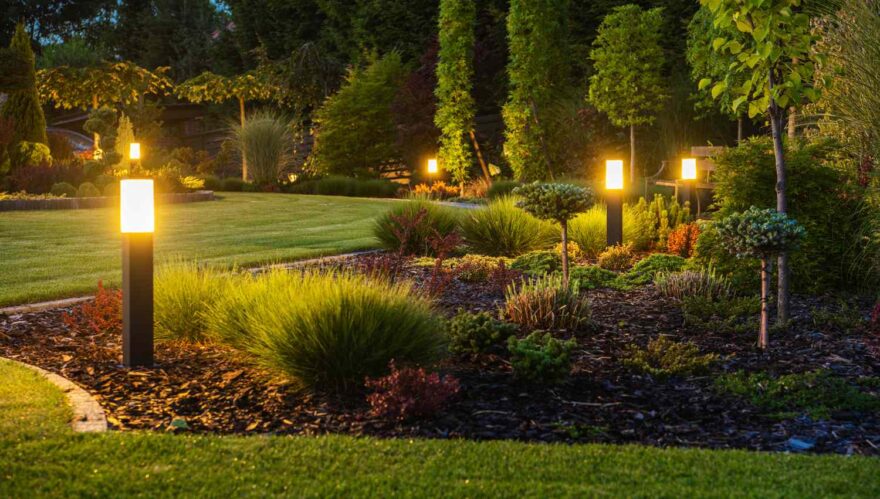
A backyard that works only during the day never feels complete. Lighting decides how the space feels once the sun goes down.
Build Light In Layers Instead Of One Source
Single bright light sources flatten the space. Multiple softer lights create depth and atmosphere.
Ambient Light Creates The Base
String lights or indirect sources give a general glow that makes the space usable without feeling harsh.
Accent Light Adds Focus
Target specific elements like plants, paths, or the water feature. This gives structure to the space after dark.
Low Lighting Keeps It Grounded
Lights placed closer to the ground make the area feel more intimate and less exposed.
Control Intensity And Color
Warm tones feel more natural and easier on the eyes. Lower intensity keeps the space relaxed instead of overly bright.
Define Zones So The Yard Feels Intentional
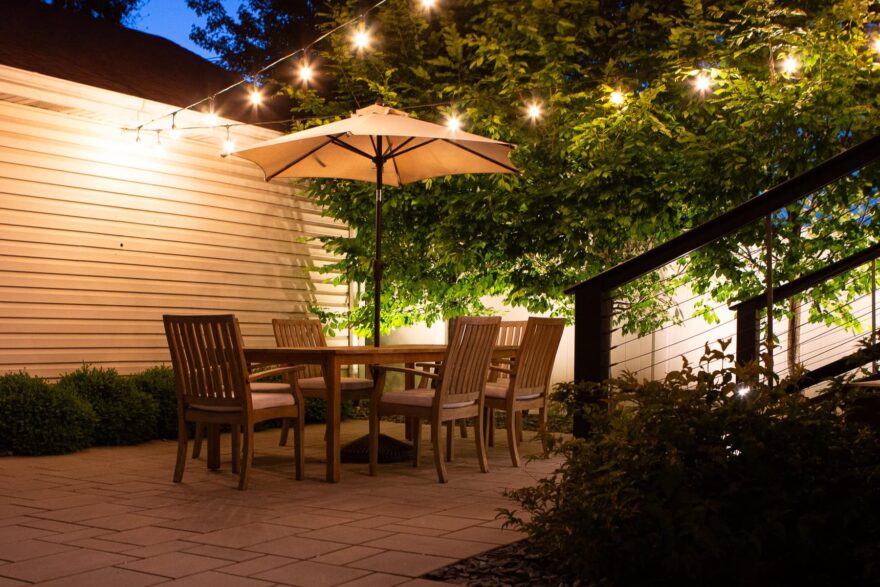
A backyard without structure feels like leftover space. A retreat has clear areas with a purpose.
Give Each Area A Role
When every part of the yard has a function, the space becomes easier to use.
Create A Lounge Zone
A place for sitting and relaxing, usually centered around comfort and conversation.
Add A Dining Spot
Even a small table can define a separate area and change how the yard is used.
Separate Zones Without Hard Dividers
You do not need walls. Use plants, furniture placement, or slight level changes to create distinction between areas.
A backyard works better when space is divided into clear parts instead of one open area. That makes it easier to use and easier to arrange.
Set Clear Areas Based On Use
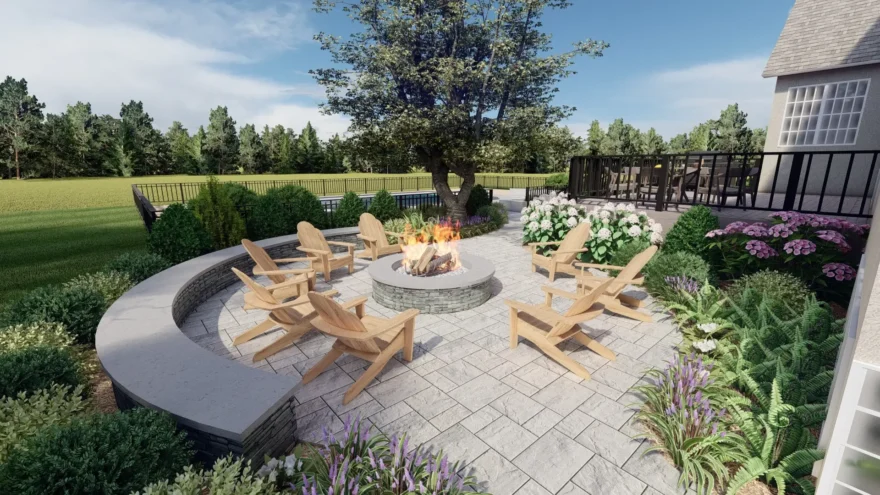
Plan the layout before adding anything.
Main Seating Area
Place it where people will spend the most time. Keep chairs close enough for conversation and position them toward a focal point like the fountain.
Dining Area
Keep it separate from seating. Even a few steps away is enough. Place it on a stable surface and, if possible, under shade.
Secondary Spot
Add one more small area, a bench, a chair, or a hammock, placed slightly off to the side. It breaks the layout and gives another option without crowding the main space.
Use Simple Ways To Separate Areas
You do not need walls.
- Use planters to mark edges
- Turn furniture in different directions
- Change ground material if possible
- Leave walking space between areas
Conclusion
A backyard does not turn into a private retreat by adding more things. It comes from a few decisions done right. A clear focal point, defined areas, controlled lighting, and less visual noise.
Start with one strong element like water. Build seating around it. Use plants to create separation. Keep the layout simple and remove anything that distracts from the space.
Once those pieces are in place, the yard stops feeling like leftover outdoor space. It becomes somewhere we choose to go, not just pass through.