
Packing A Toiletry Bag – A Simple Setup That Stops Spills And Mess
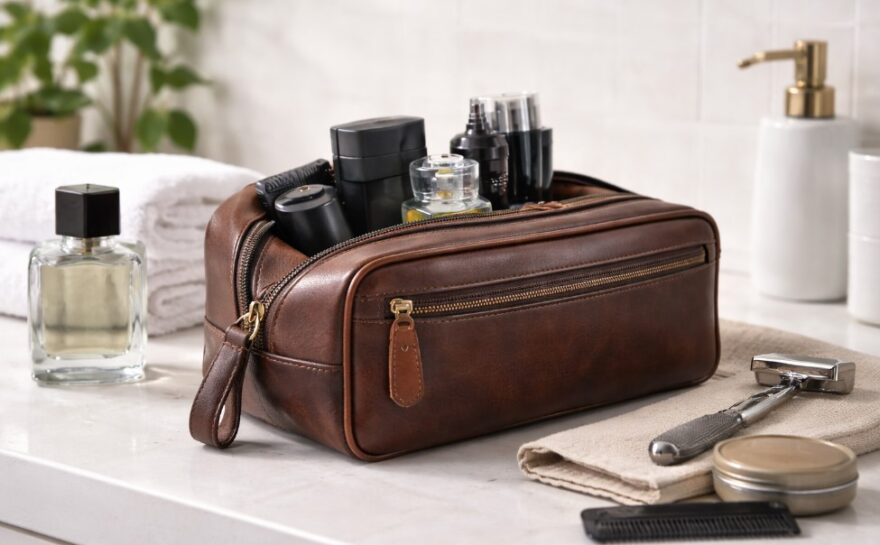
Packing a toiletry bag correctly prevents leaks, protects clothes, speeds up security checks, and keeps daily hygiene items usable throughout a trip.
The simplest effective setup uses leak-resistant containers, layered organization, protective pouches, and smart placement based on weight and liquid risk.
When those basics are applied, spills become rare, and cleanup is almost unnecessary.
Why Toiletry Bags Usually Leak or Become Messy
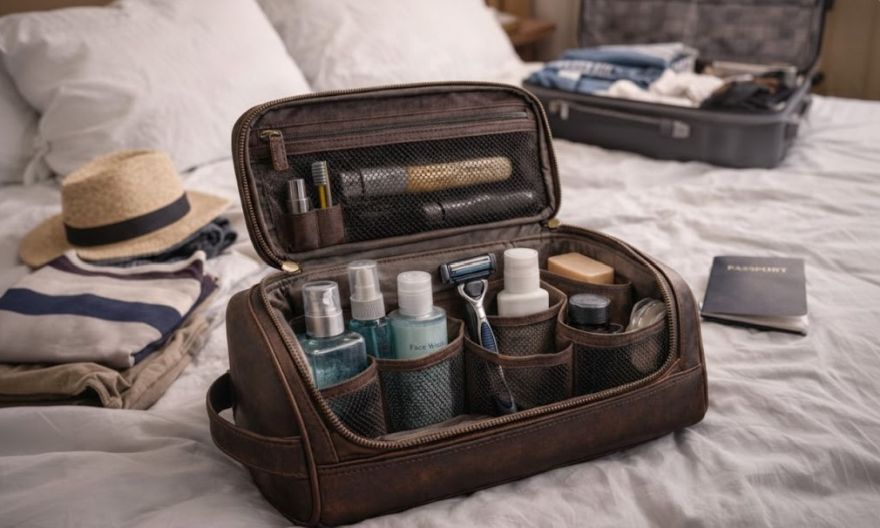
Most travel mess comes from pressure changes, loose caps, poor material choices, or overpacking. Liquids expand slightly in airplane cargo holds or even during temperature shifts in cars.
Thin plastic bottles flex, caps loosen, and creams migrate into seams.
At the same time, crowded bags create friction that gradually unscrews lids or cracks containers.
Another overlooked factor is condensation. Items like razors, toothbrushes, or recently used soap bars introduce moisture into closed compartments.
Without ventilation or separation, humidity builds up and spreads residue to surrounding items. This is why organization matters just as much as container quality.
Common Spill Causes
| Cause | What Happens | Prevention |
|---|---|---|
| Pressure changes | Liquids expand, caps loosen | Leave headspace in bottles |
| Weak packaging | Thin plastic cracks | Use thick travel containers |
| Overpacking | Items press on lids | Structured compartments |
| Residual moisture | Damp items contaminate others | Separate wet gear |
| Temperature swings | Creams liquefy | Store upright, insulated |
Choosing the Right Toiletry Bag Structure
A structured toiletry bag performs better than soft pouches because it protects containers from compression. Semi-rigid sides prevent deformation, while waterproof lining prevents accidents if they occur. Materials like treated leather, ballistic nylon, or TPU-coated fabric resist absorption and wipe clean easily.
Compartments should follow function, not appearance. A good layout separates liquids, grooming tools, dry items, and emergency hygiene supplies. Vertical orientation helps because gravity keeps contents away from closures.
Capacity matters too. A slightly larger bag reduces pressure on bottles and prevents forced stacking. Minimalism often backfires when it leads to crammed containers.
Container Strategy That Prevents Leaks
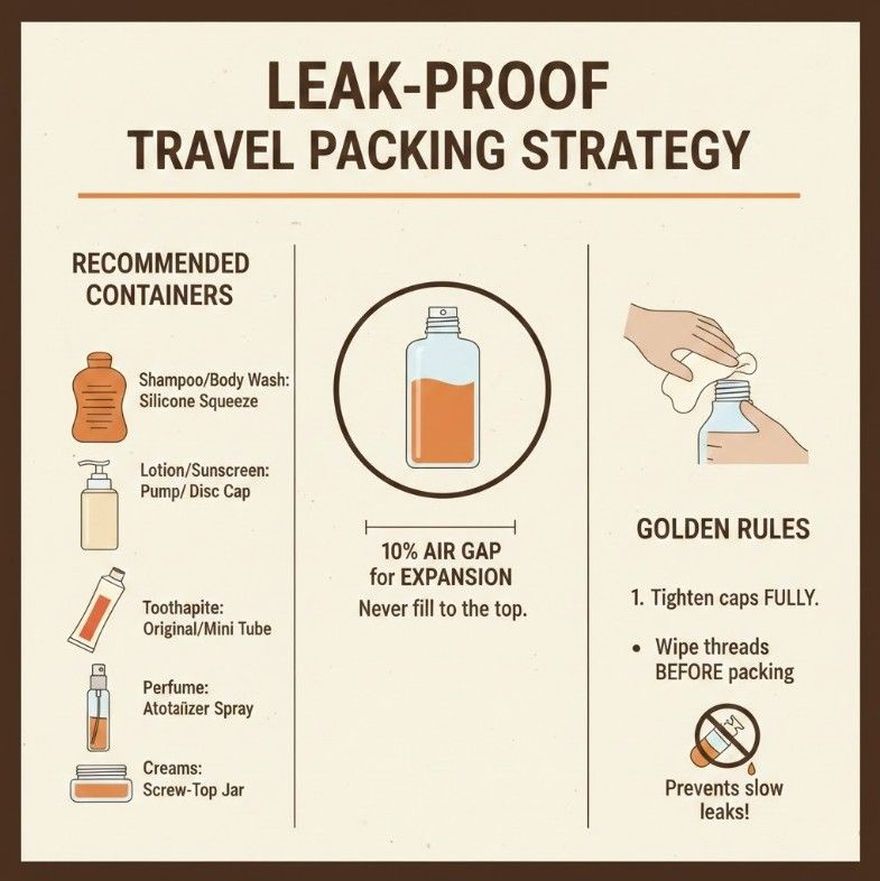
Quality containers reduce most problems before packing even begins. Travel bottles made from silicone or thick PET plastic seal better than disposable hotel minis. Wide openings help fill without contamination, while tight threading prevents seepage.
Recommended Container Types
| Product Type | Best Container | Reason |
|---|---|---|
| Shampoo/body wash | Silicone squeeze bottle | Flexible, strong seal |
| Lotion/sunscreen | Pump or disc cap bottle | Controlled dispensing |
| Toothpaste | Original tube or mini tube | Factory sealing reliable |
| Perfume | Atomizer spray vial | Prevents evaporation |
| Creams | Screw-top cosmetic jar | Thick walls prevent cracking |
Never fill containers to the top. Leave about 10 percent empty space to accommodate expansion.
Tighten caps fully, then wipe threads before packing. Residual product on threads often causes slow leaks.
Layering Method That Stops Cross-Contamination
Packing in layers protects against both leaks and impact. The bottom layer should hold non-liquid grooming tools such as razors, nail clippers, or combs. Liquids go in the middle layer inside a sealed pouch. Lightweight dry items like tissues or cotton pads sit on top.
This hierarchy limits damage if leakage occurs because absorbent items remain above liquids, not beneath them. Weight distribution also stabilizes the bag when upright.
Effective Packing Layers
| Layer | Items | Purpose |
|---|---|---|
| Bottom | Tools, brushes | Stability and structure |
| Middle | Liquids in sealed pouch | Spill containment |
| Top | Dry hygiene supplies | Easy access |
Protective Pouches And Secondary Barriers
Even reliable containers benefit from secondary protection. Zip-seal plastic bags remain the simplest solution, but reusable waterproof pouches perform better long term. Silicone pouches resist tearing and tolerate repeated washing.
Absorbent pads or small microfiber cloths inside liquid compartments add another safety layer. If a leak begins, the cloth absorbs residue before it spreads.
This redundancy approach mirrors professional packing methods used by flight crews and photographers who transport liquids frequently.
Material Matters – Durability And Hygiene
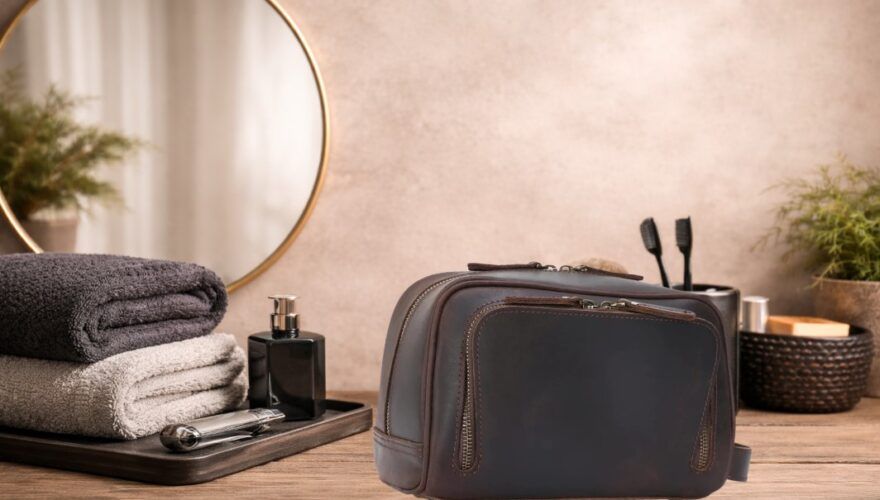
Toiletry bags face moisture, friction, and occasional chemical exposure. Materials determine longevity and cleanliness.
Water-resistant leather, coated canvas, or TPU laminate resist stains and odors. Mesh compartments allow airflow for damp items. Antimicrobial linings help reduce bacterial growth, especially during longer travel.
For frequent travelers, durability often outweighs initial cost. Cheap bags degrade quickly and absorb product smells that never fully disappear.
Mid-trip organization becomes easier with durable designs. A good example of structured, travel-oriented accessory design can be seen through collections like Grainmark Leather, where compartment logic, material resilience, and long-term usability are emphasized rather than short-term appearance. That type of construction reduces both spill risk and wear over time.
Smart Placement Inside Luggage
Where the toiletry bag sits inside the luggage matters. The safest placement is near the center of a suitcase surrounded by clothing. Clothes act as shock absorbers, minimizing impact forces that could crack containers.
Avoid edges or corners where compression occurs. Upright positioning further reduces leak probability because gravity pulls liquids away from closures.
Placement Comparison
| Location | Risk Level | Explanation |
|---|---|---|
| Center of the suitcase | Low | Cushioning from clothes |
| Top layer | Moderate | Possible shifting |
| Corners/edges | High | Compression and impact |
| External pockets | Very high | Temperature and pressure changes |
Travel Size Planning That Prevents Overpacking
Overpacking toiletries increases leak probability and complicates access. Calculate usage realistically instead of bringing full-size products. A week-long trip rarely requires more than 100 ml of most liquids.
Solid alternatives reduce risk entirely. Shampoo bars, solid deodorants, toothpaste tablets, and bar soap eliminate leakage concerns and save space. These products also bypass airport liquid restrictions.
Minimalism here improves reliability rather than simply reducing weight.
Hygiene Maintenance During The Trip
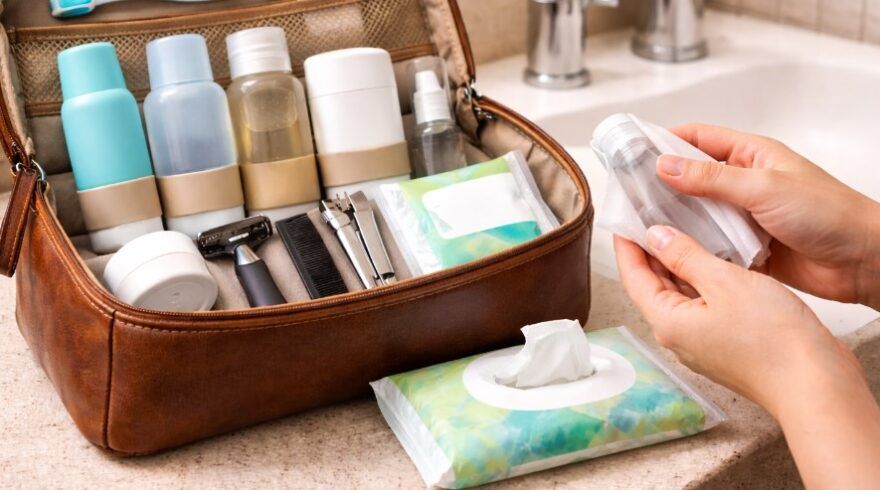
Toiletry bags accumulate residue quickly. Routine cleaning during travel prevents odor and contamination.
Wipe containers before repacking after each use. Air out the bag overnight when possible. Replace absorbent pads if damp.
Quick maintenance prevents buildup that leads to stains or microbial growth.
Frequent travelers often carry a small disinfectant wipe pack specifically for toiletry maintenance.
Typical Mistakes That Cause Mess
Many travelers create problems unintentionally. The most common errors include:
| Mistake | Result |
|---|---|
| Mixing wet and dry items | Mold or odor formation |
| Ignoring cap cleanliness | Slow seepage |
| Using brittle travel bottles | Cracking under pressure |
| Packing immediately after use | Condensation buildup |
| Overfilling containers | Expansion leaks |
Correcting these habits dramatically improves travel hygiene reliability.
Minimalist Toiletry Kit
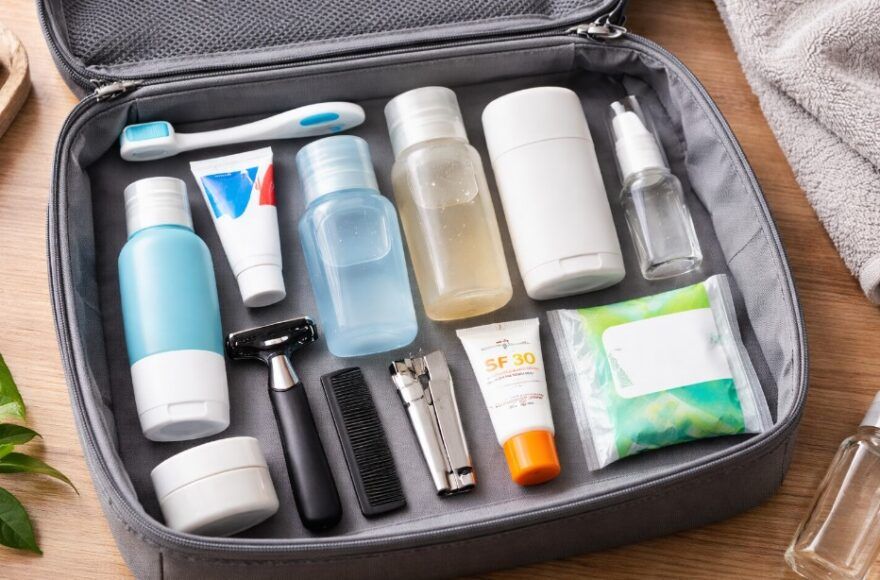
A practical core kit balances hygiene, grooming, and emergency needs without excess:
| Category | Essential Items |
|---|---|
| Hygiene | Toothbrush, toothpaste, deodorant |
| Shower | Travel shampoo, body wash |
| Grooming | Razor, comb, nail clipper |
| Skin care | Moisturizer, sunscreen |
| Backup | Small wipes, tissues |
This configuration fits most travel situations while minimizing spill risk.
Long-Term Storage Between Trips
Proper storage extends product life and bag durability.
Empty liquids if travel gaps exceed several weeks. Clean containers thoroughly.
Store the bag open in a dry environment to prevent trapped humidity.
Routine inspection prevents discovering leaks only when packing again.
Bottom Line
|
|
Effective toiletry packing relies on four core actions: use durable leak-resistant containers, separate liquids from dry items, protect everything with secondary barriers, and position the bag strategically inside luggage. These steps eliminate most spills and keep grooming supplies clean, accessible, and travel-ready.