
Chauffeur For Events: Timing, Routes, And Pickups Explained
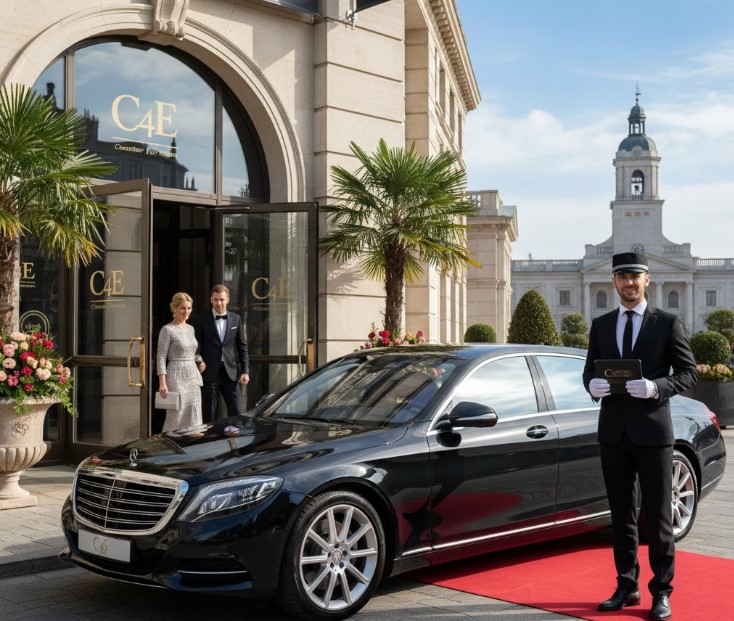
Have you ever noticed how the smoothest events often start with something most guests barely think about, arrival. Weddings, corporate galas, award nights, and private celebrations tend to run on tight schedules, and transportation is one of the first pressure points.
One late pickup or a poorly planned route can ripple through the entire timeline. That is why event transport is less about driving and more about planning, coordination, and timing.
Understanding how chauffeur services manage schedules, routes, and guest pickups helps explain why these services are often chosen for events where precision matters.
Understanding event timing and why minutes matter
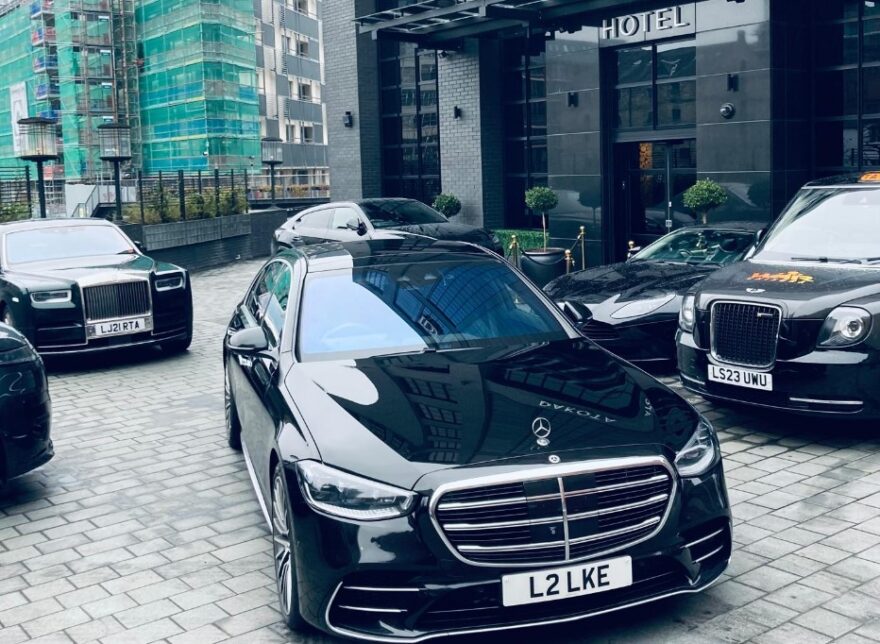
Event transport works backward from the moment guests need to arrive. A professional chauffeur service starts with the event schedule, not the pickup address. Ceremony start times, venue access windows, security checks, and red carpet moments all influence when a car should pull up.
This is where experienced chauffeurs make a difference. Their role goes beyond driving and includes anticipating delays, building buffer time, and adjusting on the fly. Services such as chauffeurs operating through established executive transport providers focus heavily on timing accuracy because events rarely allow second chances.
Key timing considerations usually include:
- Venue arrival windows and staging areas.
- Required arrival order for VIPs or speakers.
- Built-in buffers for traffic, weather, or last-minute changes.
- Clear communication with event coordinators.
By planning around these factors, the journey supports the event rather than competing with it.
Route planning for events is not about the fastest path
When it comes to event transport, the fastest route is not always the best one. Chauffeur planning prioritizes reliability and predictability over speed. A route that saves five minutes but passes through congestion zones or roadworks can become a liability.
Professional route planning usually considers:
- Traffic patterns specific to the day and time of the event.
- Local restrictions such as pedestrian zones or temporary closures.
- Venue access points and drop-off rules.
- Alternative routes prepared in advance.
Many services pre-drive routes or use real-time traffic monitoring, but human judgment still matters. A skilled chauffeur understands local conditions and knows when to abandon a navigation app in favor of experience. This layered approach reduces surprises and keeps arrivals calm and controlled.
Pickup coordination when multiple guests are involved
Events rarely involve a single pickup. Corporate functions, weddings, and conferences often require moving groups from hotels, offices, or private residences. Coordinating these pickups is one of the most complex parts of event transport.
A structured pickup plan usually includes:
- A detailed schedule with staggered pickup times.
- Clear passenger lists linked to each vehicle.
- Designated waiting points to avoid confusion.
- A primary contact for real-time adjustments.
This level of coordination prevents delays caused by missing guests or unclear instructions. It also helps maintain privacy and discretion, especially when high-profile attendees are involved. The goal is to make every pickup feel effortless, even when the logistics behind it are anything but.
Vehicle selection and staging at the venue
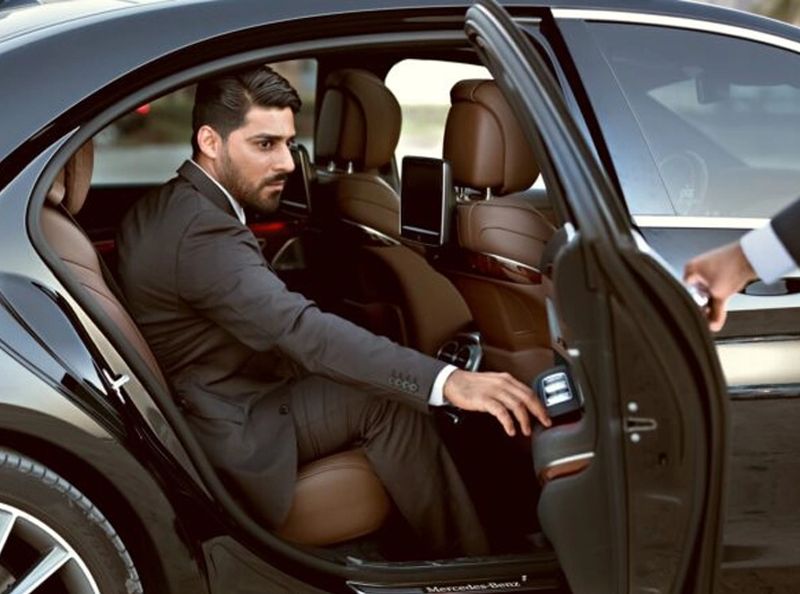
Choosing the right vehicle for an event is as much about logistics as it is about presentation. Larger vehicles may suit group transfers, while executive saloons or luxury cars are often reserved for hosts, speakers, or VIP guests.
Below is a simple overview of how vehicles are commonly matched to event needs:
| Event Requirement | Typical Vehicle Choice | Practical Reason |
| Group transfers | Minibus or people carrier | Efficient for multiple passengers |
| Executive arrivals | Luxury saloon | Professional appearance |
| VIP or headline guest | Premium luxury vehicle | Privacy and comfort |
| On-site shuttles | Multi-passenger vans | Continuous movement |
After arrival, vehicle staging matters just as much. Chauffeurs coordinate parking, standby locations, and exit timing so vehicles are available without cluttering the venue.
Communication before and during the event
Clear communication is the backbone of successful event transport. Before the event, details are confirmed repeatedly, addresses, timings, contact numbers, and special requests. During the event, communication becomes more dynamic.
Effective chauffeur operations rely on:
- A single point of contact for the client or event planner.
- Live updates about guest readiness or schedule changes.
- Immediate rerouting if conditions shift.
- Discreet coordination that does not interrupt the event flow.
Event transport works best when communication is proactive rather than reactive. Anticipating changes often prevents problems from ever becoming visible to guests.
This behind-the-scenes coordination is what keeps everything running smoothly, even when plans change at the last minute.
Why professional event chauffeurs reduce stress
Hiring a chauffeur for an event is not about luxury alone. It is about removing one entire layer of uncertainty. When timing, routes, and pickups are handled professionally, hosts and guests can focus on the event itself.
Professional services bring:
- Structured planning instead of guesswork.
- Accountability through clear schedules.
- Flexibility without chaos.
- Consistent experience for every guest.
For events where impressions matter, this level of control can be the difference between a seamless experience and a memorable mishap.
Conclusion
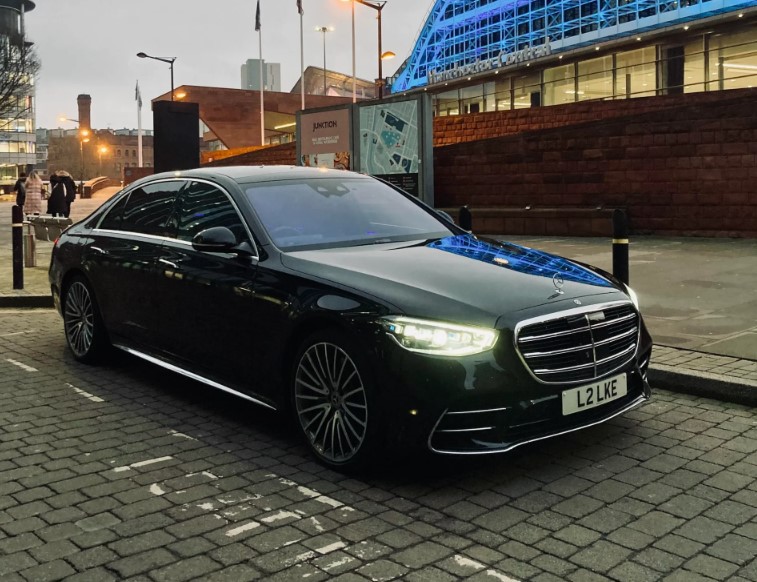
In the end, event chauffeur services succeed because they treat transport as part of the event design, not an afterthought. Timing is calculated, routes are chosen with intention, and pickups are coordinated with precision.
When all three work together, guests arrive calm, on time, and ready to engage, which is exactly how any well-run event should begin.